
Not lost, but found.

What do you do with physical prints?
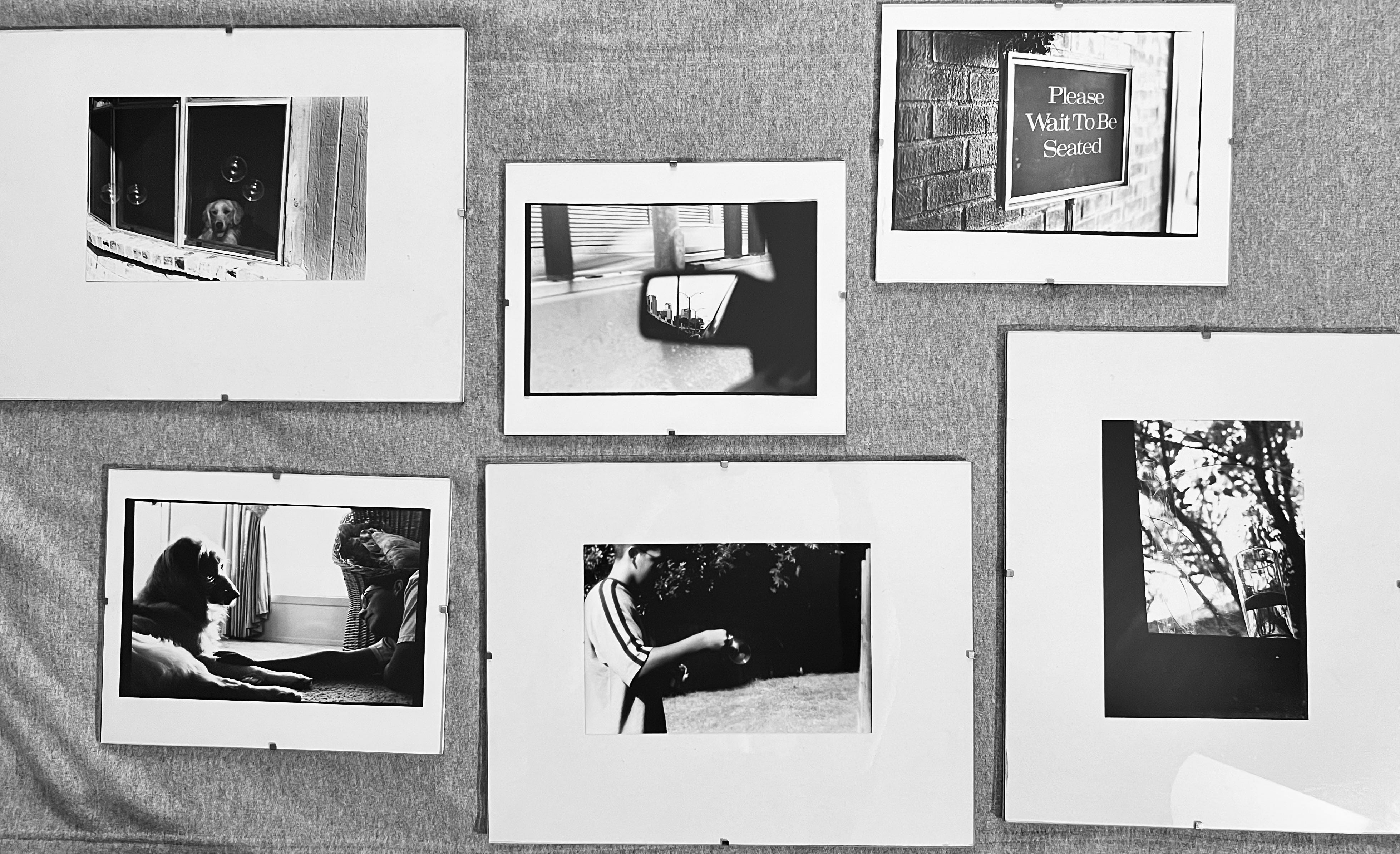
Cleaning out closets and a chest of drawers (or Chester Drawers, as I once thought it was called), I came across the remains of my original portfolio from 1999, some mounted and all framed under glass.
Under a pile of sweaters and winter workout clothes, no wonder my bottom drawer was so heavy. I had them hanging in my apartments before I moved here years ago. They feel like a different life. My analog life. Scenes from my 20s.
I can’t keep moving them every time I clean out a closet or drawer. For now I guess, they’re getting tucked back in my chest, next to the innocent poetry I wrote in my teens and early twenties, and journals I wrote during my hardest times.
A personal time capsule only feet from where I sleep at night.
Hi Liza, I found this post first, wandered through a few others, and then came back to it. Jean-Marc touched on something I’ve been thinking about for a long time—the invisible connection we have to our prints.
My work, prints, and negatives are all in America, while I’m now based in London. The chances of ever being reunited with them are slim, and that reality has left a huge gap in my life.
Prints and negatives have value, of course, but their deeper value is often only fully understood when they’re lost or destroyed. In their absence, they become more than objects—they become part of the story of who we were when we made them. Louis
There is something deeply special and tangible about physical prints. These little vignettes tell such a beautiful, quiet story altogether, Liza. Let's connect: http://jeanmarccauquil.substack.com